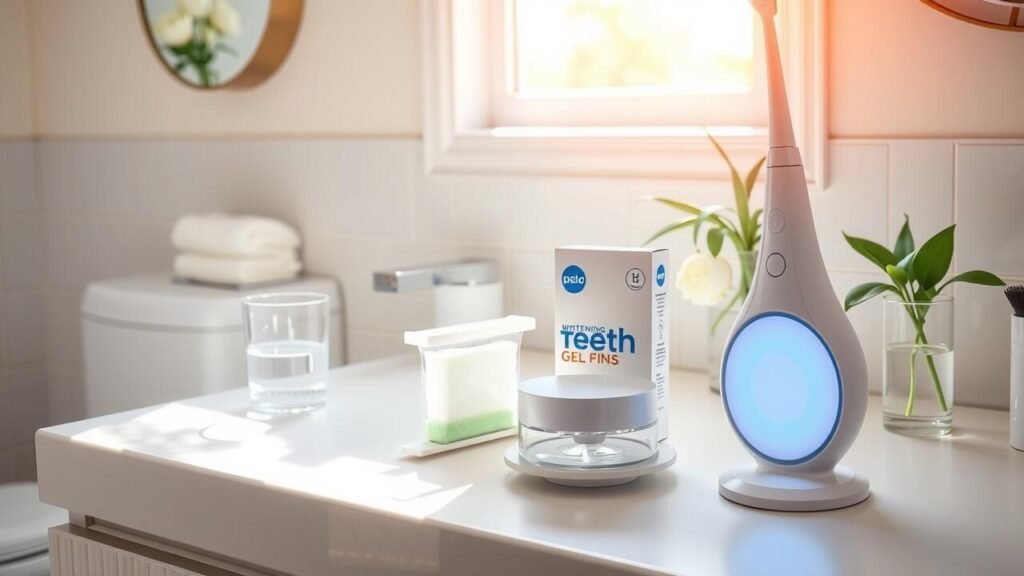
At-Home Teeth Whitening Techniques
Many individuals seek effective methods to brighten their smiles in the comfort of their own homes. Popular options include whitening strips, gels, and trays that contain various concentrations of hydrogen peroxide or carbamide peroxide. These products can penetrate the enamel, helping to lift stains caused by food, beverages, and tobacco. The ease of use and availability make them attractive for those looking for a quick solution.
Another option for at-home whitening involves the use of LED devices. These tools employ light technology, often combined with peroxide-based formulas, to enhance the effectiveness of the whitening process. Typically, these devices are used for a set amount of time each day over several days to achieve noticeable results. Many users appreciate the convenience and the ability to incorporate these treatments into their daily routines.
Best Practices for DIY Whitening
Utilizing a teeth whitening kit specifically designed for at-home use can ensure better results while minimizing potential risks. Ensure you follow the manufacturer’s guidelines closely, especially regarding application times and frequency. Overuse of whitening products can lead to sensitivity or damage to the enamel. It’s also advisable to perform a patch test if you’re using any new products that contain bleaching agents to check for potential allergic reactions.
Incorporating a dental check-up before starting any whitening regimen is beneficial. A professional assessment can identify any underlying dental issues, which should be addressed prior to whitening. Additionally, maintaining a routine of good oral hygiene can greatly enhance the effectiveness of at-home whitening methods. Regular brushing, flossing, and the use of an antibacterial mouthwash contribute to keeping teeth healthy and can enhance the overall brightness achieved through DIY techniques.
Natural Teeth Whitening Remedies
Many individuals seek natural alternatives for whitening their teeth, often turning to common kitchen ingredients. Baking soda is a popular choice due to its mild abrasive quality, which can help remove surface stains. When mixed with water or hydrogen peroxide, it creates a paste that can be gently scrubbed onto the teeth. Another commonly used remedy is activated charcoal. Though it may seem counterintuitive, its porous nature can absorb and bind to stains, making it a favored option for some.
Coconut oil pulling has also gained traction in the natural whitening community. Swishing coconut oil in the mouth for about 10-20 minutes may reduce bacteria and plaque buildup, contributing to a brighter smile. Additionally, strawberries contain malic acid, believed to act as a natural whitening agent. Mashing a few strawberries and applying them to the teeth offers a fruity and organic approach to tooth whitening. It’s important to note that while these remedies may yield some results, they are often less effective compared to professional treatments.
Effectiveness of Home Ingredients
Various home ingredients have gained popularity for their potential to whiten teeth effectively. Baking soda is one of the most common options, known for its mild abrasive properties that can help remove surface stains. Its alkalinity can also neutralize acids in the mouth, contributing to overall oral health. Another noteworthy ingredient is hydrogen peroxide. This natural bleaching agent can lighten stains and improve the overall brightness of teeth when used correctly.
Some individuals turn to natural remedies like activated charcoal and apple cider vinegar. While activated charcoal has been praised for its absorbent qualities, its effectiveness in whitening is debated within the dental community. Apple cider vinegar may help with discoloration due to its acidic nature, but it should be used cautiously to avoid enamel erosion. Overall, while some home ingredients can offer noticeable results, their effectiveness varies, and careful consideration is necessary to protect dental health.
Maintaining Your Whitened Smile
After achieving a brighter smile, it’s essential to adopt practices that help maintain the results. Regular oral hygiene plays a crucial role. Brushing twice a day and flossing daily will prevent plaque buildup and discoloration. Using a whitening toothpaste can also help in preserving the brightness of your teeth. Additionally, avoiding highly pigmented foods and beverages can minimize staining. This includes items such as coffee, red wine, and berries.
Routine dental check-ups contribute to the longevity of your whitened smile. Professional cleanings can remove surface stains and maintain overall dental health. Staying hydrated is equally important, as it helps wash away food particles and neutralizes acidity in the mouth. Observing these habits not only enhances the appearance of your smile but also promotes better oral hygiene, providing a comprehensive approach to maintaining a gleaming set of teeth.
Tips for Long-Lasting Results
To maintain a bright, white smile after a whitening treatment, it’s essential to establish a solid oral hygiene routine. Brushing twice daily with a fluoride toothpaste helps remove plaque and surface stains. Incorporating flossing into your daily regimen will prevent food debris from accumulating between teeth, where stains are often most stubborn. Using an antibacterial mouthwash can also play a role in keeping your mouth fresh and reducing discoloration over time.
Diet plays a significant role in the longevity of your teeth whitening results. Avoiding heavily pigmented foods and beverages, such as coffee, red wine, and dark berries, can help minimize staining. Drinking water after consuming these items can dilute their color and reduce the potential for stains. Regular dental check-ups are another crucial factor, as professional cleanings can effectively remove surface stains and help you maintain that bright smile.
FAQS
What are the safest teeth whitening methods?
The safest teeth whitening methods include using products approved by dental associations, such as whitening toothpastes, strips, and professional in-office treatments. At-home techniques like baking soda or hydrogen peroxide can also be safe when used correctly.
Are natural remedies effective for teeth whitening?
Some natural remedies, like baking soda, activated charcoal, and certain fruits, can help whiten teeth to some extent. However, their effectiveness may vary, and they should be used with caution to avoid damaging enamel.
How often can I whiten my teeth at home?
It’s generally recommended to limit at-home whitening treatments to avoid tooth sensitivity and enamel damage. Most people find that whitening every few months is sufficient, but it’s best to consult with a dentist for personalized advice.
Can teeth whitening affect dental work?
Yes, teeth whitening can impact dental work like crowns, veneers, or fillings, as these materials do not respond to whitening agents. It’s important to discuss any whitening treatments with your dentist, especially if you have dental work.
What should I do to maintain my whitened smile?
To maintain your whitened smile, practice good oral hygiene by brushing and flossing regularly, avoid foods and drinks that stain teeth (like coffee and red wine), and consider touch-up whitening treatments as needed. Regular dental check-ups can also help keep your smile bright.
Related Links
best safe teeth whitening
Which teeth whitening method is the safest?
What is the least toxic way to whiten your teeth?