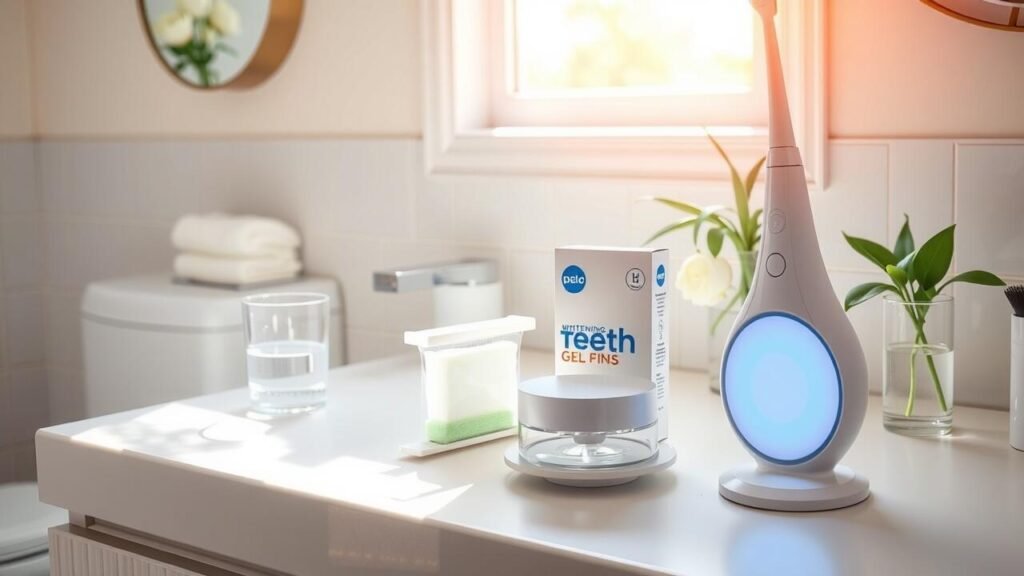
Professional Whitening vs. At-Home Kits
Professional whitening treatments typically involve procedures carried out by licensed dental professionals. These treatments often use stronger whitening agents than those found in over-the-counter products, allowing for more substantial results in a shorter time frame. Dentists also tailor the treatment to the individual’s needs, taking into account factors such as the degree of staining and tooth sensitivity. Monitoring throughout the process helps to minimize potential side effects, ensuring a safer experience.
At-home whitening kits vary significantly in formulation and effectiveness. Many of these products, such as strips or gels, contain lower concentrations of whitening agents, which means results may take longer to achieve. While they offer convenience and affordability, the risk of improper application or misuse can lead to inconsistent results or increased tooth sensitivity. Users should follow instructions carefully and consult dental professionals if uncertain about any aspect of their whitening regimen.
Comparing Effectiveness and Safety
The effectiveness of teeth whitening can vary significantly between professional treatments and at-home kits. Professional whitening procedures generally utilize stronger bleaching agents, which can lead to more immediate and noticeable results. Dentists can customize the treatment to suit individual needs, ensuring optimal results while minimizing the risk of side effects such as tooth sensitivity. In contrast, at-home kits often contain lower concentrations of whitening agents, which may require consistent use over a longer period to achieve comparable results.
Safety is another crucial factor to consider. Professional treatments are administered by trained dental professionals who can monitor the process and address any potential complications. This oversight can greatly reduce the risk of adverse effects. At-home kits, while convenient, may not provide the same level of safety, especially if users do not follow instructions carefully. Misuse of these products can lead to uneven whitening, gum irritation, or increased tooth sensitivity, making it essential to weigh the benefits and risks before choosing a method.
When to Consult a Dentist
Bringing up any concerns regarding teeth whitening with your dentist is crucial, especially if you experience heightened sensitivity. A dental professional can assess the extent of your sensitivity and determine whether it’s normal or a sign of underlying issues. They can also recommend alternative treatments or adjustments to enhance your comfort during the whitening process.
In cases of persistent discomfort or adverse reactions, seeking dental advice becomes even more important. Dentists can provide personalized solutions tailored to your specific needs, ensuring a safe approach to achieving brighter teeth. Regular check-ups help in monitoring oral health, which is essential when undergoing any cosmetic procedures.
Understanding Professional Recommendations
Many dentists recommend that individuals with sensitive teeth should approach whitening treatments with caution. This sensitivity can be exacerbated by certain whitening agents, potentially causing discomfort during and after the process. Professionals typically advise patients to discuss their specific sensitivity issues before starting any whitening regimen. They may suggest alternatives or customized treatments that minimize discomfort while still achieving desired results.
A dental examination can provide important insights regarding the health of your teeth and gums. If sensitivity is a concern, a dentist may recommend professional whitening options that use lower concentrations of whitening agents alongside desensitizing treatments. These tailored approaches aim to enhance comfort and effectiveness, ensuring that your oral health remains a priority throughout the whitening process.
Maintaining Oral Health During Whitening
Maintaining a consistent oral care routine is crucial when undergoing any whitening treatment. Brushing with fluoride toothpaste can help build enamel strength and reduce sensitivity. Regular flossing and mouthwash can aid in keeping the gums healthy, which is particularly important when whitening products are in use. This level of care minimizes potential side effects and maximizes the effectiveness of the whitening process.
Staying hydrated also plays a vital role in oral health during whitening. Drinking plenty of water helps wash away food particles and keeps the mouth moist, reducing the likelihood of irritation from whitening agents. Additionally, consuming a balanced diet filled with fruits and vegetables promotes enamel health. Foods rich in calcium, like dairy products, also contribute to overall dental strength while undergoing whitening treatments.
Importance of a Good Oral Care Routine
A strong oral care routine plays a critical role in achieving and maintaining a bright smile. Regular brushing and flossing help remove plaque and prevent potential stains from settling on the teeth. The use of fluoride toothpaste can strengthen enamel, which may be especially beneficial for individuals who experience sensitivity. Incorporating mouthwash can add an extra layer of protection against cavities and gum disease, contributing to overall oral health.
Additionally, routine dental check-ups are essential. Professional cleanings help eliminate tartar buildup that regular brushing may miss. Dentists can offer personalized advice on whitening methods suitable for sensitive teeth, ensuring that any chosen whitening treatment complements ongoing oral care. This holistic approach not only enhances the effectiveness of whitening procedures but also safeguards long-term dental health.
FAQS
Can teeth whitening cause sensitivity?
Yes, teeth whitening can lead to increased sensitivity as the bleaching agents can penetrate the enamel and irritate the nerve endings in the teeth.
Should I stop whitening my teeth if I experience sensitivity?
It is advisable to stop whitening your teeth if you experience significant sensitivity and consult with your dentist for personalized advice.
Are there whitening options for sensitive teeth?
Yes, there are specially formulated whitening products for sensitive teeth, such as desensitizing gels or lower concentration whitening agents.
How can I reduce sensitivity while whitening my teeth?
To reduce sensitivity, consider using a desensitizing toothpaste before and after the whitening process, and limit the frequency of whitening treatments.
When should I consult a dentist about my teeth sensitivity?
You should consult a dentist if your sensitivity persists or worsens, or if you experience severe pain during or after whitening treatments.
Related Links
how to prevent sensitivity after teeth whitening
What to do for extremely sensitive teeth after whitening?
How long does teeth sensitivity last after whitening?