Key Takeaways
- Grasping the Basics of Carbs
- Optimal Carbohydrates for Vitality
- The Connection Between Carbs and Energy
- Scheduling and Carb Consumption
Understanding Carbohydrates
Carbohydrates play a crucial role in fueling the body, particularly for those seeking the best carbs for energy. They can be categorized into simple carbs and complex carbs, each serving different functions in energy production. Simple carbs, often found in processed foods and energy bars, provide quick bursts of energy but can lead to spikes in blood sugar levels, while complex carbs from whole grains and vegetables offer sustained energy release. Low-carb diets may limit intake of both types but can affect energy levels for those involved in intense physical activities. Refined carbohydrates, often stripped of essential nutrients, should be consumed sparingly as they offer little benefit compared to whole food sources. Understanding these differences is essential for optimizing energy and performance through effective carbohydrate choices.
Types of Carbohydrates
Carbohydrates are primarily categorized into two types: simple and complex. Simple carbohydrates, often found in sugary foods and beverages, provide a quick spike in energy levels but may lead to rapid crashes afterward. On the other hand, complex carbohydrates, such as whole grains and legumes, serve as better sources of carbohydrates, offering sustained energy. Many fitness enthusiasts consider these the best carbs for energy, as they break down slowly, maintaining stable energy levels throughout the day, especially for those following low-carb or low carbohydrate diets.
Choosing the right carbohydrates can significantly impact overall health and performance. While low-carb diets emphasize reducing carbohydrate intake, incorporating the right types of carbs can enhance athletic performance and daily energy. Foods rich in complex carbohydrates not only provide essential nutrients but also support glycogen storage, which is crucial for replenishing energy reserves after exercise. Opting for the best carbs for energy is essential for anyone looking to optimize their physical performance and maintain balanced energy levels.
- Simple carbohydrates are found in sugary foods and provide quick energy but can cause crashes.
- Complex carbohydrates include whole grains, legumes, and vegetables, offering longer-lasting energy.
- Low-carb diets focus on reducing carbohydrate intake for weight management.
- Incorporating the right carbs can enhance athletic performance and daily energy levels.
- Foods rich in complex carbohydrates support glycogen storage for post-exercise recovery.
- Choosing complex over simple carbohydrates can lead to better overall health and sustained energy.
- Maintaining a balanced intake of carbohydrates is crucial for optimizing physical performance.
The Role of Carbs in Energy Production
Carbohydrates serve as the body’s primary fuel source, playing a crucial role in energy production. Consuming the best carbs for energy ensures optimal performance during physical activities. Complex carbohydrates, such as whole grains and legumes, provide a steady release of calories, making them ideal carbohydrate sources. These foods are digested slowly, resulting in sustained energy levels and preventing spikes in blood sugar.
Understanding the significance of calorie intake is essential for energy management. The body breaks down complex carbohydrates into glucose, which is then used to fuel various bodily functions and exercises. Incorporating the best foods rich in complex carbohydrates into your diet can enhance overall energy levels and endurance. By prioritizing these carbohydrate sources, individuals can improve their athletic performance and support daily activities effectively.
Best Carbs for Energy
Choosing the best carbs for energy is essential for maintaining an active lifestyle and supporting overall health. Whole grains stand out as a fundamental component in a healthy diet, providing not only energy but also fiber and essential nutrients. Incorporating fruits into your dietary routine can offer natural energy boosters, rich in vitamins and antioxidants. Vegetables rich in complex carbs are also critical, as they provide sustained energy without excessive fats. Balancing these carbohydrates in your diet can help with weight management while ensuring you have the energy needed for daily activities and exercise. Emphasizing the best carbs for energy allows individuals to create a nutritious framework within various diets.
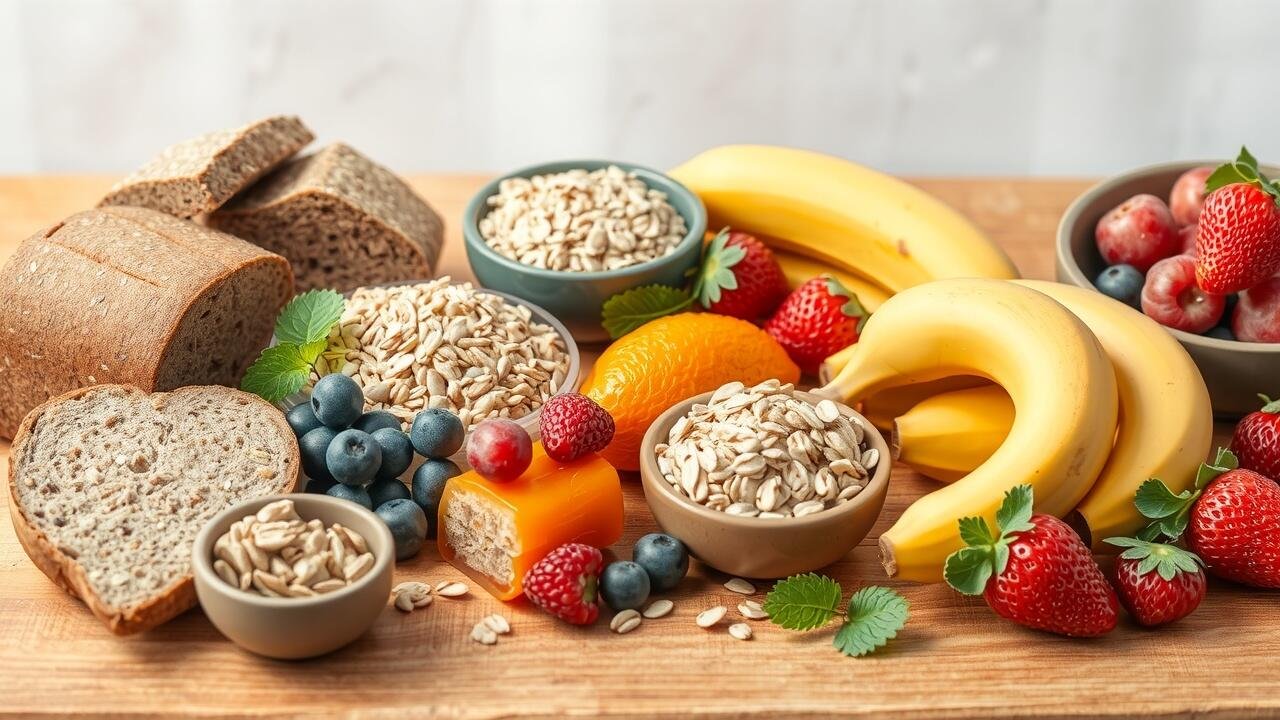
Whole Grains: A Powerhouse of Energy
Whole grains are among the best carbs for energy due to their high nutrient content. They are rich in fiber, vitamins, and minerals, which contribute to a balanced diet. Grains like quinoa, brown rice, and oats provide sustained energy without the risk of rapid spikes in blood sugar. Including beans and legumes in your meals enhances the nutritional profile, offering a combination of protein and complex carbohydrates. This combination helps maintain energy levels while minimizing fat storage, making it easier to manage weight.
A diet that emphasizes whole grains promotes overall health and vitality. These foods are not only satisfying but also versatile, fitting seamlessly into various meals. Their slow-digesting nature provides lasting energy, which is crucial for both daily activities and exercise. By incorporating whole grains into your routine, you ensure that your body has access to some of the best carbs for energy, promoting optimal performance and recovery.
Fruits as Natural Energy Boosters
Fruits are among the best carbs for energy, providing a natural source of quick fuel for the body. Packed with sugar molecules, fruits contain simple carbs that are easily digestible. The sugars in fruits release energy rapidly, making them an excellent choice for a fast energy boost. Unlike refined carbs that can lead to energy crashes, the delicious carbs in fruits offer a balanced way to maintain energy levels throughout the day.
Besides quick energy, many fruits also contain slow-absorbing carbs, allowing for sustained release of energy over time. This makes them ideal for individuals looking to replenish energy without experiencing spikes in blood sugar. With a variety of options available, fruits serve as some of the best carbs for energy, supporting both physical and mental performance effectively.
Vegetables Rich in Complex Carbs
Complex carbs provide a steady source of energy, making them essential in any balanced diet. Vegetables such as sweet potatoes, carrots, and peas are some of the best carbs for energy that also come packed with vitamins and minerals. These healthy carb choices not only promote sustained energy levels but can also help maintain blood sugar stability, unlike simple carbs found in foods like honey or milk, which offer quick energy but may lead to energy crashes.
Incorporating these vegetables into meals can enhance overall nutrition while ensuring an adequate intake of complex carbohydrates. For athletes or those needing a post-workout snack, combining complex carbs with protein, such as in a carbohydrate/protein energy bar, can aid recovery. Opting for vegetables high in complex carbs supports both immediate performance needs and long-term health, establishing them as a fundamental part of a well-rounded diet.
The Carb-Energy Cycle
Carbohydrates play a crucial role in providing the body with a quick energy boost, essential for various physical activities. The best carbs for energy include a mix of healthy carbohydrates, such as whole grains, fruits, and vegetables, which offer energy through different carb portions. Fast-digesting carbs are particularly beneficial for immediate fuel, while high carbohydrates are vital for sustained energy levels. Understanding how these energy-boosting foods work facilitates optimal performance and recovery, ensuring that the body can effectively tap into its glycogen stores whenever necessary.

How Carbs Fuel the Body
Carbohydrate-rich foods are essential for fueling the body, especially for those engaging in physical activities. The best carbs for energy include whole grains, fruits, and vegetables, which provide necessary nutrients and sustain overall energy levels. Smart carb consumption focuses on selecting energy-boosting foods that release energy gradually, ensuring a steady supply for extended periods. Endurance carbohydrates, such as oats and quinoa, contribute significantly to maintaining performance during longer workouts.
Energy offers critical support for both mental and physical activities. Choosing the right energy-rich foods can make a substantial difference in performance and recovery. Consuming the best carbs for energy at appropriate times can optimize energy storage in the form of glycogen. This strategic approach enhances not only athletic performance but also daily energy levels, making it vital for anyone looking to improve their overall fitness and well-being.
The Importance of Glycogen Storage
Glycogen storage acts as the body’s reserve of high octane carbohydrates, ready to be converted into immediate energy during physical activity. This stored form of glucose is crucial for athletes and active individuals, providing an energy fix that fuels workouts and enhances performance. Choosing the best carbs for energy ensures optimal glycogen storage, allowing the body to tap into these reserves when needed. Proper understanding of carbohydrate quality can help individuals select foods that maximize their glycogen levels.
Long-lasting energy depends heavily on efficient glycogen storage and utilization. Carbohydrates with exceptional energy-boosting properties, such as whole grains and fruits, contribute to this process. An extra energy boost during endurance activities comes from the ability of glycogen to be rapidly converted into energy. Prioritizing foods that support glycogen replenishment is vital for maintaining energy levels throughout the day. These choices directly correlate with sustained performance and effective recovery.
Timing and Carbohydrate Intake
Balancing carbohydrate intake around workout timing is crucial for optimizing performance and recovery. Pre-workout, the best carbs for energy typically include energy-dense options like bananas or oatmeal, which provide a short-term energy boost. For those adhering to a low-carb strategy, carefully selecting simple carbohydrate sources can still meet daily carbohydrate needs without compromising energy levels. Post-workout, replenishing glycogen stores with a fantastic energy source, such as a smoothie rich in fruits or whole grains, supports sustained energy and muscle recovery. Finding the right timing and type of carbohydrates can significantly enhance one’s overall energy throughout the day.
| Timing | Type of Carbs | Examples | Benefits |
|---|---|---|---|
| Pre-Workout | Energy-Dense Carbs | Bananas, Oatmeal | Provides quick energy boost |
| During Workout | Simple Carbs | Sports Drinks, Gummy Bears | Maintains energy levels |
| Post-Workout | Replenishing Carbs | Fruit Smoothies, Whole Grains | Supports muscle recovery and glycogen replenishment |
| Daily Intake | Balanced Carbs | Quinoa, Brown Rice | Maintains overall energy throughout the day |
Pre-Workout Carb Sources
Choosing the right pre-workout carbs can significantly influence your performance. The best carbs for energy, such as oatmeal, bananas, and whole-grain toast, are excellent sources of digestible carbs that help maintain consistent energy levels. These energy-dense macronutrients provide a steady energy source, reducing the risk of an energy deficit during intense workouts. Combining carbohydrate-rich foods with a moderate amount of protein can enhance muscle recovery and fuel efficiency.
Timing your carbohydrate intake before exercising is crucial for achieving optimal performance. Consuming easily digestible carbs about 30–60 minutes prior to your workout allows your body to convert these energy-dense nutrients into fuel efficiently. This approach ensures that you have adequate energy available at the onset of your activity, maximizing the benefits of the best carbs for energy and helping to sustain your stamina throughout the session.
Post-Workout Recovery with Carbohydrates
Refueling after a workout is crucial for recovery and muscle repair. Consuming the best carbs for energy immediately after exercise helps replenish glycogen stores depleted during physical activity. Nutritional powerhouses such as sweet potatoes or quinoa serve as a powerful fuel source, providing the necessary carbohydrates to aid recovery. These options deliver a quick boost of energy, preventing energy crashes that can occur if the body lacks the nutrients it needs for optimal recovery.
Choosing the right post-workout carbohydrates can significantly impact performance and recovery. Foods like bananas and oatmeal are ideal for athletes seeking a fast boost of energy and powerful nutrients. Their carbohydrate content not only aids in refueling but also supports overall energy levels, ensuring that the body is ready for the next workout. Prioritizing these best carbs for energy after exercising sets the foundation for sustained health and athletic performance.
Conclusion
Understanding the significance of carbohydrates in our diet is crucial for optimizing energy levels. The best carbs for energy can often be found on our plates in the form of whole grains, fruits, and vegetables. As highlighted by nutrition expert Davidson, choosing nutrient-rich sources ensures a steady supply of energy throughout the day. Integrating these best carbs for energy into meals not only fuels workouts but also supports recovery, making them essential for anyone looking to enhance their physical performance and overall well-being.
FAQS
What are carbohydrates and why are they important for energy?
Carbohydrates are macronutrients that serve as the body’s primary source of energy. They are broken down into glucose, which fuels our cells, tissues, and organs, making them essential for overall health and physical performance.
What are the different types of carbohydrates?
Carbohydrates can be classified into three main types: simple carbohydrates (sugars), complex carbohydrates (starches and fiber), and dietary fiber. Simple carbohydrates provide quick energy, while complex carbohydrates offer more sustained energy release.
Which carbohydrates are best for energy?
The best carbohydrates for energy include whole grains (like brown rice and quinoa), fruits (such as bananas and apples), and vegetables rich in complex carbs (like sweet potatoes and legumes). These options provide essential nutrients and sustained energy.
How do carbohydrates impact athletic performance?
Carbohydrates are crucial for athletic performance as they replenish glycogen stores, which are depleted during exercise. Consuming the right carbs before and after workouts can enhance endurance, strength, and recovery.
When is the best time to consume carbohydrates for optimal energy?
The best times to consume carbohydrates for energy are before a workout to fuel performance and after exercising to replenish glycogen stores. Timing your carb intake can help maximize energy levels and recovery.
Can I get enough energy from fruits and vegetables alone?
While fruits and vegetables are excellent sources of vitamins, minerals, and fiber, they may not provide enough energy on their own for those with high energy demands. It’s best to include a variety of carbohydrate sources, including whole grains, for sustained energy.
What are some energy-dense options among simple carbs like honey or milk that can offer energy without leading to weight gain?
Simple carbs, like honey or milk, can be great energy sources that offer energy quickly due to their fast absorption. However, it’s important to consume them in moderation to avoid weight gain, as these energy-dense options can contribute to caloric intake if not managed properly.
What are some of the best carbs for energy that offers energy for athletes during training?
The best carbs for energy options often include whole grains, fruits, and vegetables, as they are energy dense and provide sustained energy for physical activity.
What types of carbohydrates offer energy for quick recovery after exercise?
Some types of carbohydrates that offer energy for quick recovery after exercise include fruits like bananas and oranges, as well as whole grain options such as brown rice and oats. These foods provide essential nutrients and help replenish glycogen stores, ensuring your body has the energy it needs for recovery.
What types of snacks can be included in a diet that offers energy throughout the day?
Snacks such as whole grain toast with nut butter or fruit-based energy bars are great choices because they offer energy and sustain you longer compared to simple sugars.
What are some meal options that include best carbs for energy and offers energy during busy days?
Incorporating foods like quinoa, sweet potatoes, and whole grain bread into your meals can provide the best carbs for energy that truly offers energy throughout your hectic schedule. These carbohydrates are not only nutritious but also help maintain consistent energy levels.