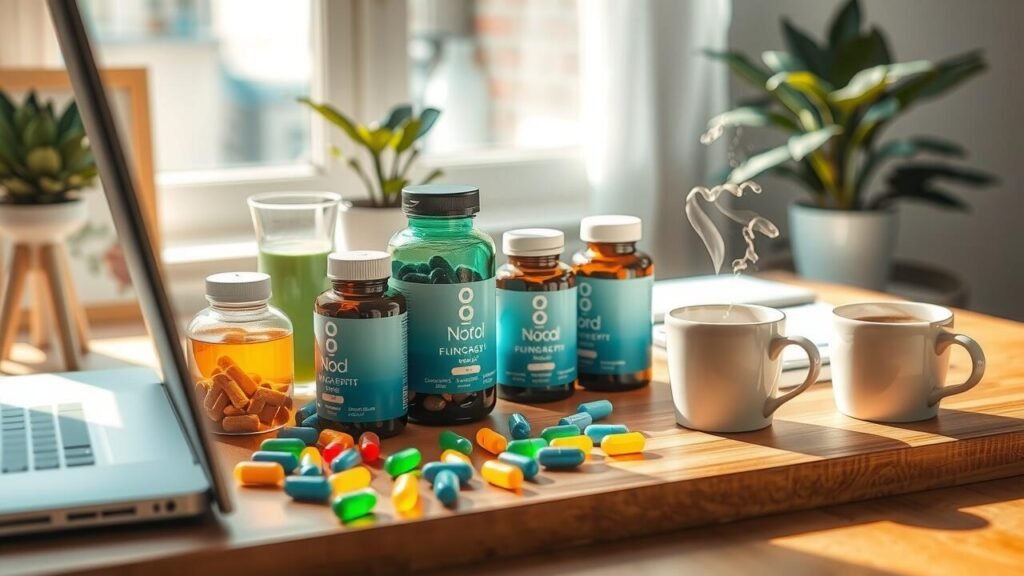
How to Choose the Right Supplement
Selecting an appropriate energy supplement involves considering various factors to ensure it aligns with individual health needs and activity levels. Ingredients play a crucial role; options such as B vitamins, adaptogens, and amino acids can contribute to increased energy without the jitters associated with caffeine. Researching the specific benefits of each component will help you make an informed decision. Additionally, looking for reputable brands that prioritize transparency in sourcing and manufacturing can enhance confidence in the product’s efficacy.
It is essential to assess personal health goals and potential dietary restrictions when choosing an energy supplement. Individuals with certain medical conditions or those taking medications should consult healthcare professionals before introducing new supplements into their routines. Reading product reviews and ratings can provide insight into effectiveness and possible side effects experienced by others. Combining this information with a clear understanding of one’s own body’s response to various supplements will facilitate a more tailored approach to achieving sustained energy throughout the day.
Factors to Consider Before Purchasing
When selecting an energy supplement without caffeine, it is essential to assess the ingredient list. Look for natural sources of energy, such as B vitamins, adaptogenic herbs like ashwagandha or rhodiola, and amino acids. These components can enhance energy levels without the jitteriness often associated with caffeine. Additionally, consider the form of the supplement. Options include capsules, powders, and drinks, which cater to different preferences and lifestyles.
You should also evaluate the brand’s reputation and manufacturing practices. Trustworthy companies provide transparent information about their sourcing, testing, and quality control procedures. Reading customer reviews can offer insights into the effectiveness and reliability of the product. Furthermore, examine the nutritional profile, paying attention to sugar content and any fillers that might dilute the effectiveness of the supplement.
Timing and Dosage Recommendations
When using non-caffeinated energy supplements, timing plays a crucial role in maximizing their benefits. For optimal results, consider taking the supplement about 30 minutes to an hour before engaging in physical or mental tasks. This window allows the ingredients to begin working effectively, providing a boost precisely when needed. If you’re incorporating the supplement into your daily routine, spacing doses throughout the day can help maintain sustained energy levels.
Dosage recommendations can vary based on the specific supplement and individual needs. Always refer to the product guidelines for suggested serving sizes. It’s wise to start with the lowest recommended dose to assess your body’s response before gradually increasing. Monitoring how you feel after taking the supplement will help you identify the most effective dose for your personal energy requirements.
Best Practices for Optimal Results
To maximize the benefits of an energy supplement, consistency in dosage is essential. Adhering to the recommended serving size ensures the body adapts effectively without overwhelming the system. Many users find it beneficial to take the supplement at specific times that align with their activity levels. For instance, consuming it before workouts or during mid-afternoon slumps can enhance performance and productivity.
Staying well-hydrated is equally crucial when using non-caffeinated energy supplements. Water aids in the absorption of essential nutrients and helps maintain optimal energy levels throughout the day. Additionally, combining the supplement with a balanced diet rich in vitamins and minerals can support overall well-being. Monitoring how your body responds to the supplement over time allows for adjustments, ensuring you get the most effective results.
Potential Side Effects
When considering non-caffeinated energy supplements, it’s important to be aware of potential side effects that may arise. Ingredients like B vitamins, ginseng, and various herbal extracts can cause reactions in some individuals. For instance, excessive doses of B vitamins might lead to nerve damage or skin irritation. On the other hand, herbs like ginseng can cause upset stomach, headaches, or allergic reactions, especially in people sensitive to such compounds.
Monitoring your body’s response upon starting any new supplement is essential. While many non-caffeinated options are generally considered safe, they can still interact with medications or exacerbate underlying health conditions. Consulting with a healthcare professional before beginning supplementation can help identify any risks specific to your situation and ensure a safe approach to improved energy levels.
Understanding Risks with Non-Caffeinated Options
Non-caffeinated energy supplements often contain ingredients such as herbal extracts, amino acids, or vitamins that can provide a boost. While these components may enhance energy levels and cognition, they may also have side effects or interactions with other medications. Some users might experience gastrointestinal discomfort, allergic reactions, or an increase in heart rate, depending on their sensitivity to certain ingredients. It’s essential to read labels carefully to understand the contents and identify any potential allergens or harmful components.
Another consideration is the lack of regulation within the dietary supplement industry. Not all products undergo rigorous testing for safety and efficacy, leading to variability in quality. Some non-caffeinated options may not deliver the promised benefits or could contain contaminants that pose health risks. Consulting a healthcare professional before starting any new supplement is a prudent step toward ensuring personal safety and effectiveness.
FAQS
What are some popular non-caffeinated energy supplements?
Some popular non-caffeinated energy supplements include B vitamins, L-theanine, Rhodiola rosea, ginseng, and adaptogenic herbs.
How do I know which energy supplement is right for me?
To determine the right energy supplement, consider your individual health needs, lifestyle, and any underlying medical conditions. It’s also helpful to consult with a healthcare professional.
Are non-caffeinated energy supplements safe for everyone?
While many non-caffeinated energy supplements are generally considered safe, it’s important to check with a healthcare provider, especially if you have specific health concerns or are taking medications.
Can non-caffeinated energy supplements help with fatigue?
Yes, non-caffeinated energy supplements can help combat fatigue by providing essential nutrients and promoting overall wellness, but their effectiveness can vary from person to person.
When is the best time to take energy supplements?
The best time to take energy supplements typically depends on the specific product and its intended effects. Generally, it’s recommended to take them in the morning or before workouts for optimal results.
Related Links
best caffeine free energy supplement
What is the best way to get energy without caffeine?
How to fix fatigue without caffeine?