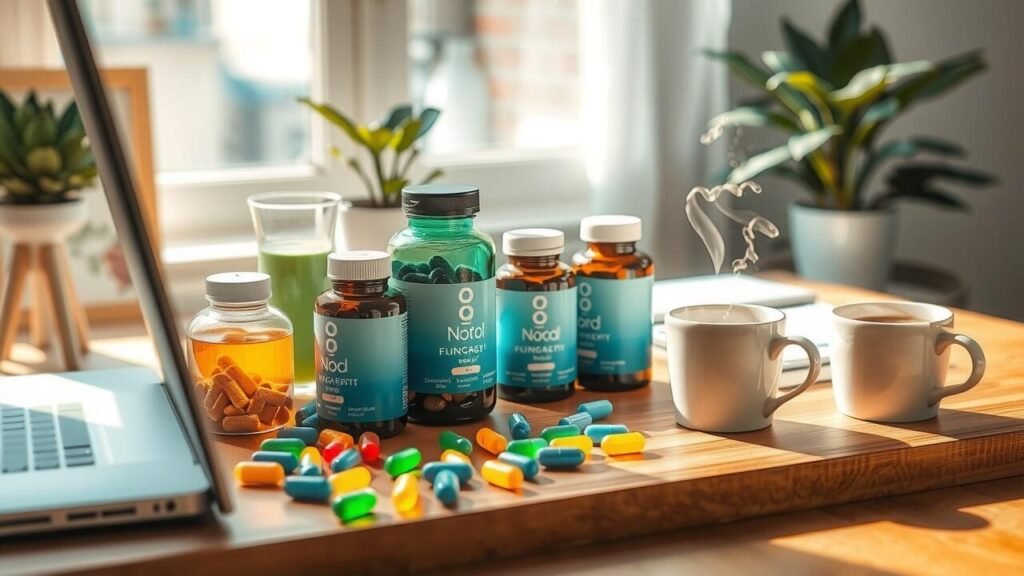
The Benefits of Coenzyme Q10
Coenzyme Q10, often referred to as CoQ10, is a powerful antioxidant that plays a crucial role in energy production within the body’s cells. It is naturally synthesized in the body and found in various foods, but levels may decline with age or due to certain health conditions. By aiding in the conversion of nutrients into adenosine triphosphate (ATP), the body’s primary energy currency, CoQ10 helps to ensure that cells function optimally. Many individuals report increased stamina and reduced fatigue when supplementing with CoQ10, making it a popular choice for those searching for a natural energy boost.
In addition to its role in energy production, CoQ10 has been associated with several other health benefits. Research suggests it may contribute to heart health by improving endothelial function and reducing oxidative stress. As men often face increased risks of cardiovascular issues, maintaining optimal levels of CoQ10 could provide a preventive edge. Furthermore, this coenzyme is believed to support exercise performance, making it a valuable addition to the regimen of those looking to enhance their physical activity levels and overall vitality.
CoQ10’s Role in Cellular Energy Generation
Coenzyme Q10, often referred to as CoQ10, is a compound that plays a crucial role in the production of energy within cells. It serves as an essential component of the mitochondria, the energy-producing structures in cells. CoQ10 assists in the conversion of nutrients into adenosine triphosphate (ATP), the primary energy currency of the body. This process not only supports everyday functions but also enhances overall vitality and stamina.
As men age, natural levels of CoQ10 may decline, leading to decreased energy production and increased fatigue. Supplementation with CoQ10 can help restore these levels, potentially boosting energy, improving exercise performance, and mitigating feelings of tiredness. Furthermore, CoQ10 possesses antioxidant properties that protect cells from oxidative stress, supporting both energy levels and overall health.
Iron
Iron plays a crucial role in the body’s ability to produce energy. It is a key component of hemoglobin, the protein in red blood cells responsible for transporting oxygen from the lungs to the tissues. Adequate levels of iron ensure that muscles and organs receive the oxygen necessary for optimal function. When iron levels are low, the efficiency of oxygen transportation decreases, which can lead to fatigue and decreased stamina.
Iron deficiency is common, especially among men who engage in high levels of physical activity. Symptoms of insufficient iron can manifest as persistent tiredness, weakness, and diminished performance during exercise. Foods rich in iron, such as lean meats, legumes, and fortified cereals, can help maintain healthy levels. Monitoring dietary intake is essential for preventing deficiency and sustaining energy levels throughout daily activities.
The Consequences of Iron Deficiency on Energy Levels
Iron plays a crucial role in the body, primarily through its function in hemoglobin production. Hemoglobin is responsible for transporting oxygen from the lungs to the rest of the body. When iron levels drop, the production of hemoglobin can decline, leading to reduced oxygen delivery to cells and tissues. This lack of sufficient oxygen can significantly affect physical performance, endurance, and overall energy levels.
Individuals experiencing iron deficiency may encounter symptoms such as fatigue, weakness, and decreased concentration. These effects can hinder daily activities and impact overall well-being. Proper iron intake is vital for maintaining energy levels and ensuring that the body’s metabolic processes function optimally. Men, in particular, should be mindful of their iron levels to support their energy demands and sustain an active lifestyle.
Omega-3 Fatty Acids and Energy
These essential fats play a significant role in many aspects of health, including energy levels. Omega-3 fatty acids contribute to improved circulation and reduce inflammation within the body. This enhanced blood flow allows for better oxygen delivery to tissues and organs, supporting overall energy production.
Moreover, omega-3s may positively influence mood and cognitive function, both of which are crucial for maintaining energy throughout the day. A well-balanced diet that includes sources of omega-3, such as fatty fish, walnuts, and flaxseeds, can help promote sustained vitality. Focusing on these nutrients could ultimately enhance both physical and mental stamina.
How Omega-3s Support Overall Vitality
Omega-3 fatty acids are essential nutrients that play a pivotal role in various bodily functions, significantly contributing to overall vitality. They help reduce inflammation, which can impact energy levels and performance. Additionally, these fatty acids support heart health, enhancing circulation and ensuring that oxygen-rich blood is delivered efficiently throughout the body.
Beyond physical health, Omega-3s are also linked to cognitive function and mental well-being. They have been shown to improve focus, memory, and mood, which can further energize an individual’s daily life. Incorporating sources of Omega-3s, such as fatty fish, flaxseed, or walnuts, can lead to a holistic enhancement of one’s vitality and energy.
FAQS
What is the best vitamin for men to boost energy levels?
While there isn’t a single “best” vitamin for energy, Coenzyme Q10, Iron, and Omega-3 fatty acids are all known to support energy production and overall vitality in men.
How does Coenzyme Q10 help in energy generation?
Coenzyme Q10 plays a critical role in the production of adenosine triphosphate (ATP), which is the primary energy carrier in cells, thereby supporting efficient cellular energy generation.
What are the signs of iron deficiency in men?
Common signs of iron deficiency include fatigue, weakness, pale skin, and shortness of breath, all of which can significantly impact energy levels.
Can Omega-3 fatty acids improve my energy levels?
Yes, Omega-3 fatty acids can support overall vitality and may help in reducing fatigue by promoting heart health and improving blood flow, which is essential for energy.
Are there any food sources rich in these energy-boosting nutrients?
Yes, foods rich in CoQ10 include fatty fish, organ meats, and whole grains. Iron can be found in red meat, beans, and leafy greens, while Omega-3 fatty acids are abundant in fish like salmon, walnuts, and flaxseeds.
Related Links
best vitamins for energy for men
What supplements are good for energy for men?