Key Takeaways
- Comprehending Noisy Breathing and Sleep Disorder
- Main Distinctions Between Noisy Breathing and Sleep Disorder
- Frequent Indications of Noisy Breathing
- Recognizing Symptoms of Sleep Disorder
- Noisy Breathing vs Sleep Disorder Symptoms: How to Tell Apart
- Health Consequences: Noisy Breathing and Sleep Disorder
Understanding Snoring and Sleep Apnea
Snoring and sleep apnea are both common sleep disorders that can significantly affect an individual’s quality of rest. Snoring typically manifests as a sound produced during sleep, often characterized by vibrating tissues in the throat. It is a condition many people experience but can sometimes indicate more serious issues. On the other hand, sleep apnea is a more severe condition that includes episodes of respiratory pause, known as apneas. Obstructive sleep apnea (OSA) is the most prevalent form, caused by an obstruction in the airway, while central sleep apnea arises from the brain’s failure to signal the muscles to breathe. Understanding the snoring vs sleep apnea signs, including snores and breathing irregularities, is crucial for early detection and intervention, as untreated conditions can lead to significant health risks over time.
Definition of Snoring
Snoring is characterized by the sound produced during sleep when airflow is partially obstructed in the throat. This condition affects sleep patterns and can disrupt both the sleeper’s and their partner’s rest. While it might seem harmless, snoring can be a sign of an underlying sleep disorder, particularly when it occurs frequently. Understanding the nuances of snoring vs sleep apnea signs can be crucial for determining whether further evaluation, such as a sleep study, is needed.
Common in many individuals, snoring can lead to excessive sleepiness during the day, impacting overall well-being. Those who snore may experience fragmented sleep, contributing to feelings of grogginess and decreased alertness. Recognizing these symptoms is essential in distinguishing between simple snoring and more serious conditions like sleep apnea. Evaluating one’s sleeping habits can reveal critical insights into the potential for daytime sleepiness and overall health.
| Type of Snoring | Common Causes | Potential Health Implications |
|---|---|---|
| Simple Snoring | Allergies, nasal congestion, sleep position | Minor sleep disturbances |
| Chronic Snoring | Obesity, alcohol consumption, sleep deprivation | Increased risk of sleep apnea |
| Snoring with Sleep Apnea | Obstructive airway, enlarged tonsils or adenoids | Serious health risks, like cardiovascular issues |
| Central Sleep Apnea | Neurological conditions, heart failure | Can lead to severe daytime fatigue |
Definition of Sleep Apnea
Sleep apnea is a serious sleep disorder characterized by repeated interruptions in breathing during sleep. This condition often leads to sleep disturbances, resulting in fragmented sleep and unrefreshing sleep. Individuals may experience excessive daytime sleepiness, which can significantly affect their overall sleep quality. Understanding the signs associated with sleep apnea is crucial, especially when differentiating these signs from common snoring. An apnea test can help diagnose the severity and type of sleep apnea, enabling appropriate treatment options.
Different from simple snoring, sleep apnea involves episodes of complete or partial obstruction of the airway, causing more severe health implications. Symptoms may include loud snoring, which is a common overlap in snoring vs sleep apnea signs. However, the key distinction lies in the frequency of breathing interruptions and the health risks posed by untreated sleep apnea. The condition can lead to cardiovascular issues, increased risk of accidents due to excessive sleepiness, and a decline in overall health if left unaddressed.
Key Differences Between Snoring and Sleep Apnea
Snoring and sleep apnea are often confused, yet they present distinct characteristics that indicate varying underlying issues. Snoring typically arises from obstructed airflow through the nasal cavity, often exacerbated by factors such as nasal congestion or sleeping position, leading to a hoarse sound during deep sleep. In contrast, sleep apnea involves repeated interruptions in breathing, resulting in significant restlessness throughout the night and daytime symptoms, such as feeling tired despite a full night’s sleep. The American Academy of Sleep Medicine (AASM) emphasizes the importance of recognizing snoring vs sleep apnea signs as patients may overlook the severity of their condition, potentially leading to serious health risks if sleep apnea remains untreated.
- Snoring is generally a benign condition, while sleep apnea can lead to serious health complications.
- Sleep apnea often requires medical intervention, whereas simple snoring can sometimes be managed with lifestyle changes.
- Snoring may be loud but is usually continuous, while sleep apnea includes pauses in breathing that can last several seconds to minutes.
- Individuals with sleep apnea often experience excessive daytime sleepiness, unlike those who snore without apnea.
- Sleep quality can be significantly poorer in people with sleep apnea compared to those who only snore.
- Partner observations are crucial; snoring may be noted by a partner, but sleep apnea often includes the person being observed gasping for air.
- Treatment options differ, with sleep apnea sometimes necessitating CPAP machines or surgery, while snoring might be improved with positional therapy or nasal strips.
Causes of Snoring
Snoring often arises from various factors that contribute to airway obstruction during sleep. In many cases, anatomical variations such as a thickened soft palate or enlarged tonsils can lead to blocked airflow. These obstructions can cause breathing difficulties that result in the characteristic sound of snoring. The overlap of snoring and sleep apnea symptoms can sometimes confuse individuals, as both share the common issue of disrupted breathing. However, while snoring may be benign, it can also serve as a warning sign for more serious conditions like sleep apnea.
Obesity is another significant factor that can lead to snoring. Excess weight around the neck can put pressure on the airway, increasing the likelihood of airway obstruction. This can result in intermittent stops in breathing, known as apneas, during sleep. Many individuals who snore may experience drowsiness during the day due to disrupted sleep patterns. Recognizing the differences between snoring and sleep apnea signs is crucial for determining the appropriate course of action for better sleep health.
Causes of Sleep Apnea
Sleep apnea can arise from various underlying factors that disrupt normal breathing patterns during sleep. Obstructive sleep apnea, the most prevalent form, is often triggered by physical obstructions in the airway, such as enlarged tonsils, excessive fat around the neck, or nasal polyps. These obstructions can lead to noticeable pauses in breathing and may cause loud snoring. Patients with this condition often experience frequent awakenings, leading to disrupted sleep cycles, which can be particularly concerning for those who experience choking sensations during the night.
Central sleep apnea, though less common, results from issues in the brain’s signals that regulate breathing. This type can affect patients regardless of their body weight or physical health and may be associated with disorders such as heart failure or stroke. The signs of sleep apnea might manifest as loud snoring, which can be a key indicator when differentiating snoring vs sleep apnea signs. Individuals with this condition often report feeling excessively tired during the day, as the quality of their sleep is compromised, making it crucial to seek appropriate evaluation and treatment.
Common Signs of Snoring
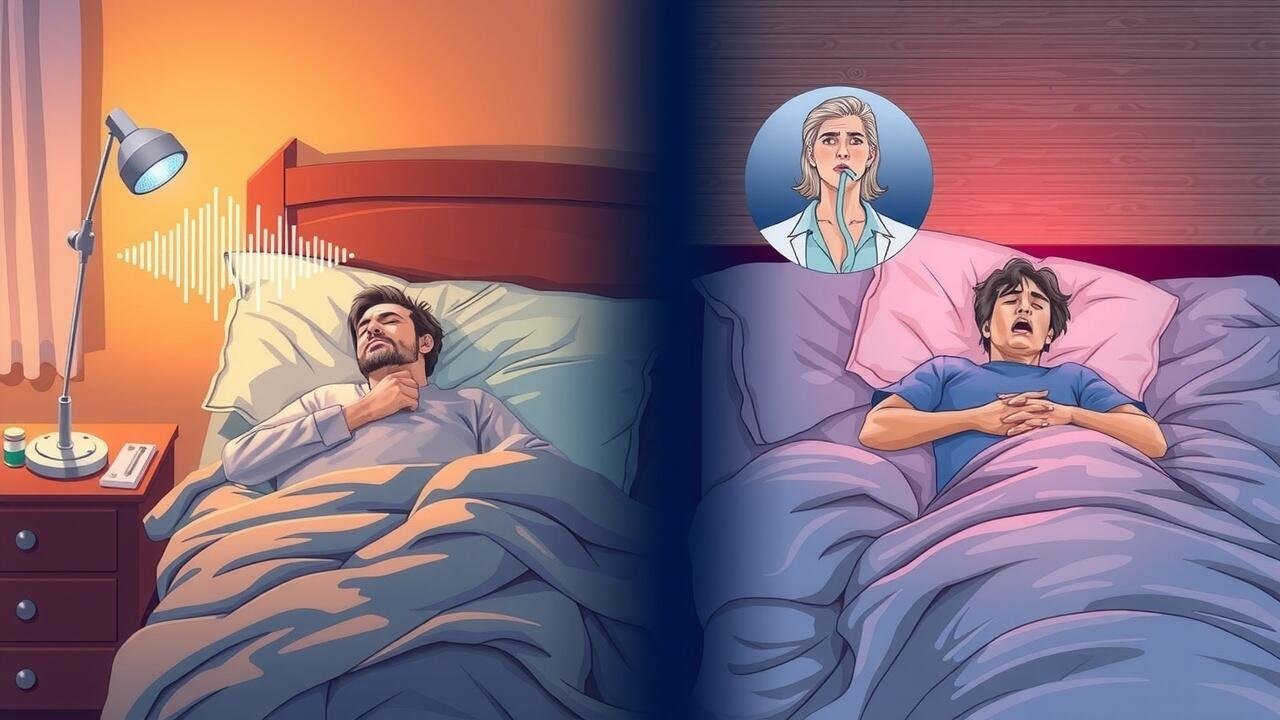
Snoring typically manifests through distinct auditory characteristics, often described as harsh or raspy, which can be a common indicator of sleep disturbances. These sounds arise from the vibration of throat tissues during breathing while asleep. In the context of snoring vs sleep apnea signs, it’s crucial to differentiate between simple snoring and more concerning sleep apnea symptoms. While snoring can be bothersome, sleep apnea encompasses more severe issues, including disrupted breathing patterns. People experiencing sleep apnea—and its sleep apnea-like symptoms—may exhibit significant disturbances that go beyond mere snoring. Understanding these nuances helps in recognizing the varying health implications, as untreated snoring may lead to complications while sleep apnea causes a myriad of health risks that often require interventions like CPAP therapy.
Characteristics of Snoring Sounds
Snoring typically presents as a variety of sounds ranging from soft, gentle breathing to loud, disruptive noises that can resemble a snort or gasp. These sounds occur due to the vibration of throat tissues as airflow is obstructed during sleep. Understanding snoring vs sleep apnea signs is crucial because while snoring can be benign, loud and chronic snoring often indicates a more serious condition such as obstructive sleep apnea. Untreated sleep apnea can lead to further complications, making it vital to recognize the distinct characteristics of these sounds.
Variability in snoring sounds can also indicate the severity of a person’s sleep condition. For instance, individuals with obstructive sleep apnea may experience interrupted breathing patterns that result in choking sounds or gasps, reflecting the airway blockage that occurs during sleep. Home sleep apnea tests can help diagnose these issues, while sleep apnea specialists may offer treatments ranging from lifestyle changes to dental sleep apnea devices. Recognizing snoring vs sleep apnea signs early is essential for effective management and prevention of potential long-term health risks.
Situational Triggers for Snoring
Certain situations can amplify the likelihood of noticeable snoring, especially in individuals predisposed to it. Alcohol consumption before bedtime often leads to relaxed throat muscles, resulting in loud and disruptive snoring. Allergies and nasal congestion can cause airway obstruction, contributing to chronic snoring or occasional snoring episodes that may mimic apnea-like symptoms. Recognizing these triggers is essential for differentiating between snoring vs sleep apnea signs.
Changes in sleep position also play a significant role in snoring patterns. Sleeping on one’s back tends to promote airway collapse, leading to increased frequencies of both chronic and occasional snoring. Environmental factors, such as smoke and dust, can exacerbate snoring issues. Identifying these situational triggers can help in understanding the nuances between snoring and the more serious implications of sleep apnea, particularly when monitoring apnea-related symptoms.
Identifying Signs of Sleep Apnea
Recognizing the signs of sleep apnea is crucial, especially as many people mistakenly attribute their symptoms to simple snoring. Distinct from common sleep disorders, sleep apnea often presents with more severe issues that extend beyond loud snoring. Nighttime symptoms may include frequent awakenings, gasping for air, or prolonged pauses in breathing, which differ significantly from the innocuous nature of simple snoring. Daytime symptoms might manifest as persistent fatigue, irritability, or difficulty concentrating. Understanding these differences is essential for addressing sleep-related concerns, as the signs of snoring versus sleep apnea reveal important insights into a person’s overall sleep health. By identifying these sleep-related issues early, individuals can seek appropriate treatment and improve their sleep quality.
Nighttime Symptoms of Sleep Apnea
Nighttime symptoms of sleep apnea often extend beyond mere snoring. While harmless snoring can occasionally disrupt a sleep period, sleep apnea presents more severe challenges that can wake a person multiple times throughout the night. These awakenings may be accompanied by gasping or choking, significantly affecting overall quality sleep. A bed partner may notice that their partner’s snoring escalates, leading to concerns that warrant a visit to a sleep doctor or sleep specialist.
Individuals suffering from sleep apnea may also experience restlessness during the night, often changing positions in an attempt to find a more comfortable state. The impact of disrupted breathing patterns can lead to daytime fatigue and irritability, contrasting with those who experience only harmless snoring. Recognizing these snoring vs sleep apnea signs is crucial for identifying potential sleep disorders. Seeking an anti-snoring mouthpiece or other interventions may prove beneficial for those struggling with these nighttime symptoms.
| Symptom | Description | Frequency | Potential Impact |
|---|---|---|---|
| Gasping or Choking | Sudden awakenings due to stopped breathing or breathlessness | Multiple times per night | Disrupted sleep cycle, increased daytime fatigue |
| Restlessness | Inability to stay in one position during sleep | Frequent position changes | Ineffective sleep; feeling unrefreshed |
| Increased Snoring | Loud, escalating snoring sounds | Consistent through the night | Concern for bed partner; can indicate severity of apnea |
| Insomnia | Difficulty falling or staying asleep | Common with sleep disturbances | Long-term fatigue, mood changes |
Daytime Symptoms of Sleep Apnea
Individuals suffering from sleep apnea may experience various daytime symptoms that impact their overall well-being. Excessive daytime sleepiness is a primary concern, often stemming from the disrupted sleep caused by apnea events. Those who experience sleep apnea frequently report feeling tired despite a full night’s rest, even when a partner snores during the night. This exhaustion can hinder daily activities and affect cognitive function, making it essential to differentiate between snoring vs sleep apnea signs.
Cognitive issues such as difficulty concentrating and memory problems can also manifest during the day. Many individuals may find themselves easily distracted or struggling with tasks that require focus, adding to the challenges they face. Regular visits to sleep centers can help in diagnosing these symptoms accurately. A home sleep study can offer valuable insights into one’s sleep patterns, enabling the sleep care provider to tailor an effective treatment plan. Engaging with a sleep team can enhance the chances of achieving higher-quality sleep and alleviating the impacts of daytime dysfunction.
Snoring vs Sleep Apnea Signs: How to Differentiate
Understanding the subtle differences in snoring vs sleep apnea signs is crucial for effective diagnosis and treatment. Snoring often manifests as nasal sounds that can vary in intensity but typically do not disrupt sleep quality to an alarming degree. Conversely, sleep apnea involves intermittent pauses in breathing, leading to significant episodes of poor sleep and potential awakening throughout the night. A sleep prioritization survey taken at an accredited sleep center can help identify which symptoms may pertain to either condition. Observing signs in a sleep lab, such as behavioral patterns and reactions after awaking, can provide valuable insights, guiding individuals to seek help from an accredited member sleep expert who specializes in these issues. Understanding these differences fosters better awareness and promotes healthier sleep practices.
Visual and Auditory Indicators
Distinguishing between snoring vs sleep apnea signs can be challenging but crucial for proper diagnosis. Snoring typically presents as a rhythmic sound during sleep, often with varying intensity. In contrast, sleep apnea may be identified by irregular breathing patterns, including silent breathing pauses that indicate significant disruptions. Observing frequent pauses in breathing while a person sleeps can signal a potential issue requiring attention. Comfort in sleep can be deceptive; what seems like harmless snoring might mask an underlying condition.
Visual cues also play a role in differentiating these two conditions. Snoring is usually less alarming visually, while sleep apnea can lead to more pronounced signs such as gasping or choking during the night. Frequent symptoms of sleep apnea can extend to daytime symptoms, including severe fatigue and difficulty concentrating. Recognizing these indicators early can lead to timely interventions, highlighting the stark contrast between mere snoring and the complexities of sleep apnea. Understanding these visual and auditory indicators is essential for promoting better health and wellbeing.
Behavioral Signs to Watch For
Recognizing behavioral signs can help differentiate between snoring vs sleep apnea signs. Individuals suffering from sleep apnea often experience daytime exhaustion due to disrupted sleep cycles. This exhaustion can lead to irritability, difficulty concentrating, and a general lack of energy throughout the day. Those with sleep apnea may also report frequent partial awakenings during the night, which severely impacts their ability to achieve a restful night.
Contrastingly, habitual snorers might not exhibit the same level of daytime fatigue as those with sleep apnea. Their nights might be interrupted, but they may not experience the same cognitive decline or mood swings associated with chronic sleep deprivation. Common symptoms like occasional snoring may occur without significant implications for overall health. Recognizing these behavioral signs is essential for understanding whether snoring is merely a nuisance or indicative of a more serious condition.
- Changes in mood or irritability during the day
- Difficulty concentrating or memory issues
- Increased instances of waking up during the night
- Observations from bed partners about pauses in breathing
- Frequent headaches upon waking up
- Increased need for naps or difficulty staying awake during the day
- Notable changes in sleep patterns or habits over time
Health Implications: Snoring and Sleep Apnea
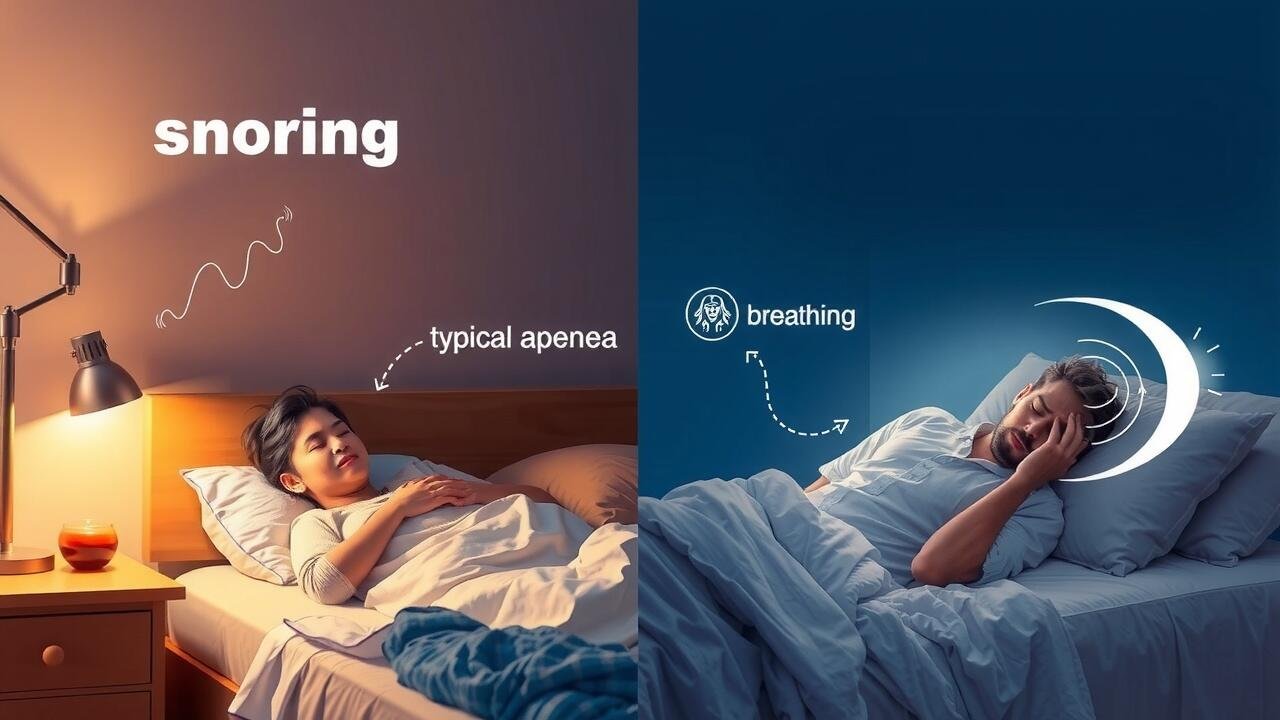
Understanding the health implications of both snoring and sleep apnea is crucial for effective management. Snoring often manifests as disruptive sounds during bedtime, whereas sleep apnea is characterized by significant breathing patterns irregularities. Individuals suffering from sleep apnea may experience choking noises and gasping, leading to multiple arousals and frequent awakenings throughout the night. These disorders can result in profound fatigue and decreased quality of life. Recognizing the snoring vs sleep apnea signs can assist in distinguishing between the two conditions, potentially guiding individuals toward necessary medical intervention.
Long-Term Effects of Untreated Snoring
Untreated snoring can lead to various long-term health effects that may impact overall well-being. Chronic snoring often indicates disrupted sleep patterns that can result in fatigue during the day. The hours of restless sleep may cause individuals to wake up feeling unrefreshed. This continuous cycle can lead to irritability and difficulty concentrating. For some, the signs of snoring vs sleep apnea may overlap, making it essential to consult a doctor if there are noticeable changes in sleep quality.
Persistent snoring can also contribute to more serious health conditions over time. Often, the condition is accompanied by pauses in breathing that can go unnoticed, which may further complicate matters. These night disturbances can increase the risk of developing cardiovascular issues or elevated blood pressure. Understanding the signs of snoring vs sleep apnea signs is crucial for proper diagnosis and treatment. Seeking medical advice and addressing snoring may prevent these potential health complications and improve overall sleep quality.
Health Risks Associated with Sleep Apnea
Sleep apnea poses significant health risks that extend beyond disrupted sleep patterns. Individuals suffering from this condition often experience excessive daytime sleepiness due to fragmented sleep, which can lead to decreased productivity and safety concerns, particularly when driving. The apnea test is commonly used to diagnose the severity of the disorder, revealing the extent of sleep disturbances and their impact on overall sleep quality. Recognizing snoring vs sleep apnea signs is crucial in differentiating benign snoring from more serious apnea cases that require intervention.
Long-term sleep deprivation associated with sleep apnea can lead to serious medical conditions such as cardiovascular disease, hypertension, and diabetes. The unrefreshing sleep that many experience exacerbates fatigue and can contribute to mental health issues like depression and anxiety. Understanding the health implications of untreated sleep apnea highlights the importance of seeking professional help in the realm of sleep medicine to improve overall well-being and prevent severe health complications.
Conclusion
Understanding the distinctions between snoring vs sleep apnea signs is crucial for early detection and intervention. While snoring may seem harmless, it can often mask underlying issues such as obstructive sleep apnea. Untreated sleep apnea increases the risk of severe health complications, as sleep apnea interrupts normal breathing patterns during sleep. Home sleep apnea tests can provide valuable insights into whether one is experiencing symptoms of obstructive sleep apnea. Engaging with sleep apnea specialists can help individuals identify the type—obstructive sleep apnea—and explore treatment options, including dental sleep apnea solutions. Recognizing these signs early on can lead to better health outcomes and a more restful night’s sleep.
FAQS
What is the main difference between snoring and sleep apnea?
The main difference is that snoring is a common condition where the airflow is partially obstructed during sleep, often resulting in noisy breathing. Sleep apnea, on the other hand, is a serious sleep disorder characterized by repeated interruptions in breathing during sleep, which can lead to significant health risks.
Can snoring be a sign of sleep apnea?
Yes, snoring can be a sign of sleep apnea, especially if it is loud and accompanied by pauses in breathing, gasping, or choking sounds during sleep. It’s important to consult a healthcare professional if snoring is frequent and disruptive.
What are some common signs of sleep apnea?
Common signs of sleep apnea include loud snoring, choking or gasping during sleep, excessive daytime sleepiness, difficulty concentrating, and mood changes. If you experience these symptoms, it’s advisable to seek medical evaluation.
Are there any specific causes of snoring?
Yes, causes of snoring can include nasal congestion, obesity, alcohol consumption, sleep position (such as sleeping on your back), and age-related changes in throat muscle tone. Identifying and addressing these factors can help reduce snoring.
How can I identify if I have sleep apnea?
To identify sleep apnea, watch for nighttime symptoms like loud snoring, choking sounds, and restless sleep, as well as daytime symptoms like excessive fatigue, morning headaches, and difficulty concentrating. A sleep study conducted by a healthcare provider can confirm a diagnosis.
How can I differentiate between chronic snoring and sleep apnea if my bed partner snores loudly and frequently seems drowsy during the day?
To differentiate between chronic snoring and sleep apnea, it’s important to observe the key symptoms. If your bed partner snores loudly and experiences breathing disruptions, such as periods where they stop breathing during sleep, it could indicate obstructive sleep apnea (OSA). Chronic snoring alone may not affect breathings and may not be linked to sleep-related disorders. An overnight stay at a sleep center lab can help assess their sleep issue and ensure they receive high-quality sleep. Dr. Lapco at dr.lapco.com can provide further insights on diagnosing sleep apnea symptoms.
What are the signs that indicate my bed partner’s loud chronic snoring might be a symptom of sleep apnea, especially if they often feel drowsy during the day?
If your bed partner experiences loud chronic snoring accompanied by excessive daytime drowsiness, it might indicate a condition known as obstructive sleep apnea (OSA). According to Dr. Lapco, start sleeping on your side can help reduce snoring and monitor for other symptoms associated with OSA.
What are some common signs that my bed partner’s loud chronic snoring may be linked to sleep apnea, particularly if they often appear drowsy throughout the day?
If your bed partner has loud chronic snoring and often feels drowsy, it may be an indication of obstructive sleep apnea (OSA). Key symptoms include gasping or choking during sleep, frequent awakenings, and excessive daytime sleepiness. These signs, coupled with their loud snoring, suggest a potential sleep disorder. It’s advisable to consult a healthcare provider or visit websites like dr.lapco.com to learn more about sleep—and possibly start sleeping better.
What should I do if I notice loud chronic snoring from my bed partner, and how can I tell if it’s related to OSA snares as suggested by dr.lapco.com start sleeping?
If you notice loud chronic snoring from your bed partner, it is important to assess whether it is linked to obstructive sleep apnea (OSA). Signs of OSA include loud chronic snoring paired with gasping or choking during sleep, fatigue during the day, and concentration issues. It is advisable to consult with a healthcare professional or refer to dr.lapco.com start sleeping for more guidance on sleep apnea and potential treatment options.
What are the long-term effects of loud, chronic snoring on a person’s health, and is it always linked to OSA snores?
Loud, chronic snoring can lead to various health issues, including sleep disruptions and fatigue, and it is often associated with Obstructive Sleep Apnea (OSA snores). People who experience loud, chronic snoring should consult a healthcare professional to evaluate their risk of developing OSA and its potential consequences.