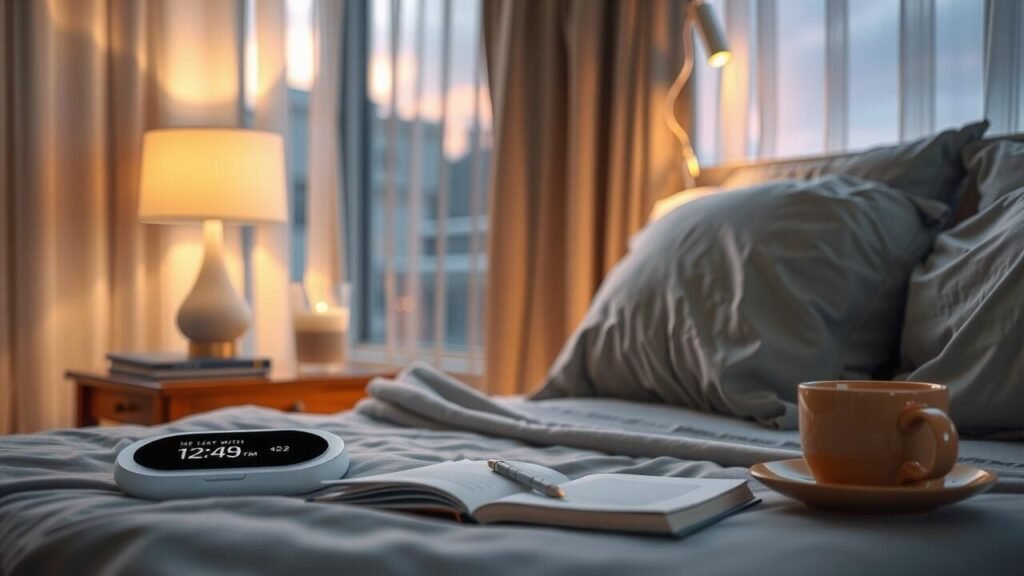
Improving Sleep Quality with Light Therapy
Exposure to natural light plays a significant role in regulating the sleep-wake cycle. Light therapy harnesses this principle by simulating sunrise, helping to naturally signal to the body that it is time to wake up. This gradual increase in light mimics the early morning sun, promoting the release of cortisol, which keeps energy levels high through the day. Consequently, this process helps individuals feel more alert and aligned with their natural circadian rhythms.
Incorporating light therapy into a daily routine can enhance the quality of sleep. It helps to curb the production of melatonin, the hormone responsible for sleepiness, during the morning hours. By doing so, individuals who struggle with waking up early or adjusting to seasonal changes in daylight may find it easier to adapt. As light exposure plays a vital role in managing various sleep patterns, sunrise alarm clocks serve as a useful tool for anyone looking to improve their sleep journey.
Impact on Sleep Disorders
Sunrise alarm clocks offer a natural approach to addressing sleep disorders such as insomnia and circadian rhythm disturbances. By simulating a gradual sunrise, these devices signal to the body that it’s time to wake up, facilitating an easier transition from sleep to alertness. This gentle approach can help regulate the sleep-wake cycle, which is crucial for individuals struggling with inconsistent sleep patterns.
Research indicates that light exposure, particularly in the morning, can significantly influence mood and cognitive function throughout the day. For those with Seasonal Affective Disorder (SAD) or other mood-related sleep issues, utilizing a sunrise alarm clock may enhance overall well-being. The gradual increase in light not only aids in waking up but can also improve the quality of sleep, enhancing mental clarity and energy levels over time.
Tips for Choosing the Right Sunrise Alarm Clock
When selecting a sunrise alarm clock, consider your personal preferences regarding light intensity and color. Many models offer customizable brightness levels to simulate natural sunrise, allowing you to ease into waking up gently. Additionally, some devices provide options for different color temperatures, ranging from warm amber tones to cooler white light. Think about what feels most comfortable for you, as this can influence the overall effectiveness of your wake-up experience.
Another important aspect is the added features that enhance functionality and usability. Look for clocks that come with customizable alarm sounds to complement the gradual light increase. Some models may also include sleep sound options, which can aid in relaxation before sleep. Ensure that the display is easy to read, and consider whether you prefer additional features like Bluetooth capabilities or integrations with smart home systems. Balancing these elements with your individual needs will help you find the ideal sunrise alarm clock.
Features to Consider
When selecting a sunrise alarm clock, prioritize customizable light settings. Different models offer a variety of brightness levels, allowing users to tailor the intensity according to their preferences. This feature is especially beneficial for those who prefer a gentle wake-up experience. Additionally, check for adjustable sunrise and sunset durations. A gradual increase or decrease in light can help create a more natural waking experience.
Consider the sound options provided by the alarm clock. Many devices feature nature sounds, gentle music, or ambient noise to complement the light. This variety can enhance the overall waking experience, making it more pleasant. Additionally, pay attention to ease of use and functionality. An intuitive interface can simplify setting alarms and adjusting settings, ensuring a smoother morning routine.
Setting Up Your Sunrise Alarm Clock
To maximize the benefits of your sunrise alarm clock, consider its placement in your room. Position it near your bed but on a flat surface where it can create an unobstructed light pathway. This helps ensure that the gradual light exposure reaches you effectively, aiding in a gentler wake-up experience. Avoid placing it too far away or near objects that might obstruct the light, as this can diminish its intended effects.
Setting the alarm to mimic a natural sunrise will enhance wakefulness. Many models allow customization of light intensity and duration, giving you the ability to select what suits your preferences best. Start with a longer duration for the light to gradually increase in brightness, which can be particularly beneficial for those who wake up early during darker months. Adjust the settings based on personal comfort and the time of year to ensure a consistent and pleasant awakening process.
Optimal Placement and Settings
For the best results, place the sunrise alarm clock across the room, ideally at a height that allows the light to fill the space effectively. This positioning encourages waking up by requiring you to physically get out of bed to turn off the alarm. Placing it near a window can also enhance the natural light effect, as it mimics the gradual increase of sunlight you would experience outdoors.
Adjusting the settings is crucial to align the wake-up process with your sleep cycle. Select a sunrise simulation duration that feels comfortable, with most users benefiting from a gradual increase over 20 to 30 minutes. Experimenting with the brightness levels may also help identify the optimal setting that gently prompts your body to wake without causing abrupt disturbances, enhancing overall sleep quality.
FAQS
What is a sunrise alarm clock?
A sunrise alarm clock is a device designed to simulate a natural sunrise by gradually increasing light intensity over a set period of time, helping to wake you up more gently and improve your overall sleep cycle.
How does light therapy improve sleep quality?
Light therapy works by influencing your circadian rhythm, the body’s internal clock that regulates sleep and wakefulness. Exposure to natural light in the morning helps signal to your body that it’s time to wake up, which can enhance sleep quality and overall mood.
Can a sunrise alarm clock help with sleep disorders?
Yes, sunrise alarm clocks can be beneficial for individuals with certain sleep disorders, such as Seasonal Affective Disorder (SAD) and insomnia. The gradual light exposure can help reset the sleep-wake cycle and improve the quality of sleep.
What features should I look for in a sunrise alarm clock?
When choosing a sunrise alarm clock, consider features such as adjustable brightness levels, customizable sunrise duration, sound options (like nature sounds or gentle alarms), and additional functions like sunset simulation or a built-in radio.
How should I set up my sunrise alarm clock for optimal use?
For optimal use, place your sunrise alarm clock on a bedside table or a location where the light can fill the room. Set the alarm to begin illuminating at least 30 minutes before you want to wake up, and experiment with brightness and sound settings to find what works best for you.
Related Links
best sunrise alarm clock
Review of the Top 5 Sunrise Alarm Clocks on the Market
Round-Up of the Best Features in Sunrise Alarm Clocks