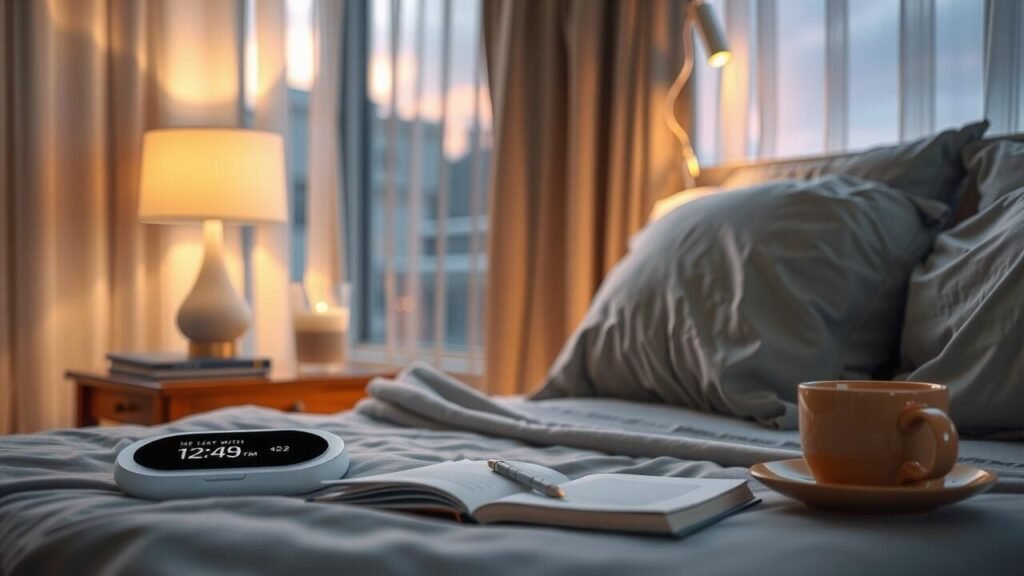
Aromatherapy Benefits
Aromatherapy offers a natural approach to improving sleep quality for elderly individuals. The soothing scents of essential oils can create a calming atmosphere, promoting relaxation and decreasing anxiety levels. Incorporating these fragrances into bedtime routines can help signal the body that it is time to wind down, making it easier to transition into sleep.
Different essential oils present various benefits. Lavender is well-known for its sleep-inducing properties, while chamomile and bergamot can also help to soothe the mind and relieve stress. Using a diffuser or applying diluted oils to the skin can enhance the sleep environment, making bedtime a more peaceful experience for seniors.
Essential Oils for Calming
Lavender oil is widely recognized for its calming properties. Many studies suggest that its soothing aroma can help reduce anxiety levels and promote relaxation. A few drops added to a diffuser or applied to pillows can create a tranquil environment conducive to sleep. This oil not only smells pleasant but also has been shown to lessen restlessness during the night.
Chamomile is another essential oil favored for its gentle effects on sleep quality. Its floral scent can serve as a natural remedy to ease tension and encourage a peaceful night’s rest. Incorporating chamomile oil into evening routines, whether through aromatherapy or topical applications, can significantly benefit those struggling with sleeplessness. Both lavender and chamomile offer natural alternatives to pharmaceutical sleep aids, providing comfort without unwanted side effects.
Gentle Sleep Music
Soothing melodies can create a tranquil atmosphere, promoting relaxation in elderly individuals struggling with sleep. Soft instrumental music or gentle nature sounds can lower stress levels and help ease anxiety. This calming effect prepares the mind for sleep, making it easier to drift off.
Moreover, creating a bedtime routine with gentle sleep music can signal the body that it is time to wind down. Playing these calming soundtracks at a low volume can enhance the sleep environment. Consistent use of this approach may lead to improved sleep quality over time.
Soothing Soundtracks
Gentle soundtracks can create a serene atmosphere conducive to relaxation. Soft instrumental music, nature sounds, or subtle rhythms can help an elderly person unwind after a long day. These calming melodies often drown out disruptive noises, fostering a peaceful environment for sleep. Choosing tracks that are slow and melodic can encourage a gradual transition into restfulness.
Incorporating soothing soundtracks into a nighttime routine can enhance the quality of sleep. Many people find that familiar tunes can trigger a sense of comfort and safety, making it easier to drift off. Whether it’s a curated playlist or a streaming service designed for sleep sounds, the right auditory backdrop can significantly impact relaxation and help prepare the mind for a restful night.
Physical Activity Considerations
Engaging in physical activity during the day can significantly improve the quality of sleep for elderly individuals. Gentle exercises such as walking, stretching, or yoga can enhance circulation and reduce stress levels. These activities promote the release of endorphins, which can help elevate mood throughout the day. It is essential to choose low-impact exercises that match the individual’s fitness level to prevent injury and ensure enjoyment.
Incorporating movement into daily routines can also establish a consistent sleep schedule. Depending on the individual’s mobility, short bouts of activity spread throughout the day can be more beneficial than longer sessions. Even light activities, such as gardening or housework, can help maintain physical health and aid in restful nights. Consistency is key as regular physical engagement helps regulate the body’s internal clock, contributing to better nighttime rest.
Gentle Exercises for Better Sleep
Engaging in gentle exercises can significantly enhance the quality of sleep for elderly individuals. Activities such as stretching, yoga, and tai chi promote relaxation and help reduce stress. These low-impact exercises encourage flexibility, balance, and overall physical wellness, which contributes to a more restful night’s sleep. Establishing a regular routine can also signal the body that it is time to wind down, making it easier to transition into a restful state.
Incorporating such exercises into a daily regimen can be both enjoyable and beneficial. Simple movements and mindfulness techniques practiced before bedtime can calm the mind and prepare the body for sleep. It is essential for elderly individuals to listen to their bodies and choose activities that feel comfortable and safe, ensuring they can reap the rewards without adding strain. A focus on gentle, rhythmic movements promotes better circulation and relaxation, leading to improved sleep patterns.
FAQS
What are some effective essential oils for promoting sleep in the elderly?
Essential oils such as lavender, chamomile, and bergamot are known for their calming properties and can help promote better sleep in elderly individuals.
How can aromatherapy be used to help an elderly person sleep?
Aromatherapy can be utilized by diffusing essential oils in the bedroom, adding a few drops to a warm bath, or applying diluted oils to pulse points to create a relaxing environment conducive to sleep.
What type of gentle sleep music is recommended for elderly individuals?
Soft instrumental music, nature sounds, or lullabies are recommended as they can create a soothing atmosphere that encourages relaxation and sleep.
Are there specific gentle exercises that can improve sleep quality for the elderly?
Yes, gentle exercises such as stretching, yoga, or leisurely walks can help reduce anxiety and promote better sleep by relaxing the body and mind.
Is it important to establish a sleep routine for elderly individuals?
Absolutely. Establishing a consistent sleep routine can signal the body that it’s time to wind down, making it easier for elderly individuals to fall asleep and enjoy a restful night.
Related Links
best sleep aid for elderly
What sleeping pills can 80 year olds take?
What is the safest sleep aid for the elderly?